UNDERSTANDING THE DATA
Discover how much sewage is being dumped, and what it contains…

Discover how much sewage is being dumped, and what it contains…
Sewage is a form of toxic waste that has been linked to the health of people, their cities and civilisations throughout history. Ensuring sewage is properly treated before being released into waterways is foundational to protecting the health of people and the environment.
Yet in Tasmania the majority of sewage treatment plants (STPs) across the state are releasing treated sewage into rivers, wetlands, lakes and coasts — in breach of environmental standards.
TasWater’s own published activity reports reveal more than 90% of their STPs release wastewater into the environment that fail to achieve 100% compliance with their Environmental Protection Notices (EPNs).
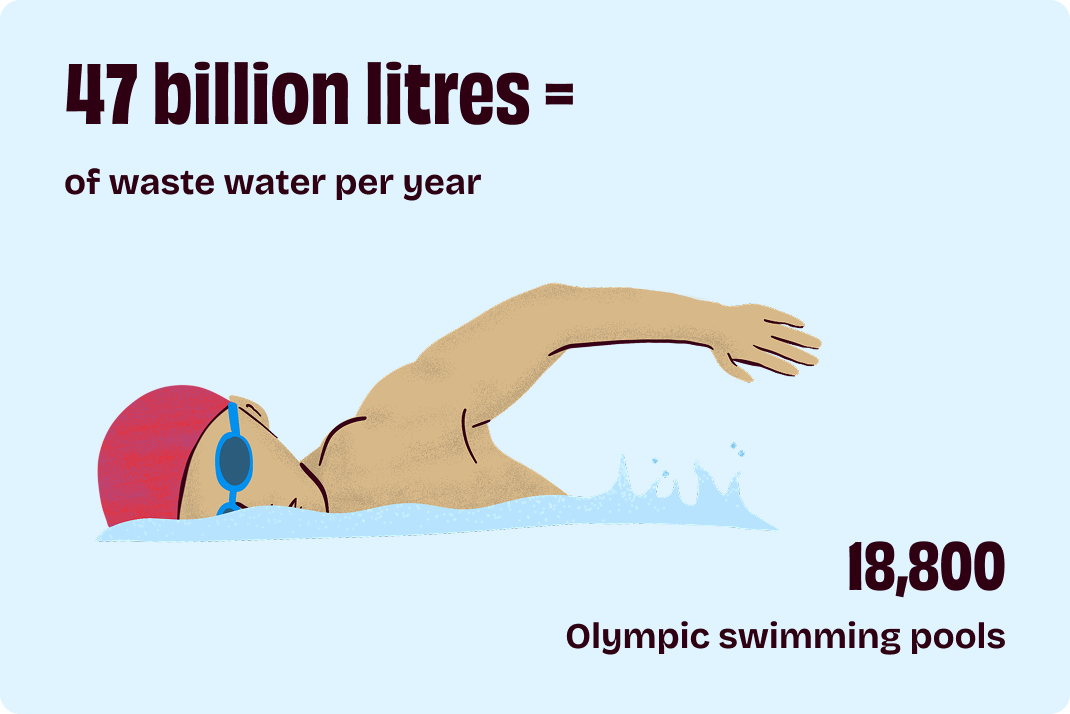
In 12 months, TasWater released over 47 billion litres (or 47,458,750,000 litres!) of wastewater into Tasmania’s waterways. More than 600 million litres of this was under-treated sewage, released during “by-pass” events.
The Ti Tree Bend STP alone discharged 300 million litres of under-treated sewage into the Tamar River in a single year. To put that into perspective, a standard Olympic swimming pool holds 2,500,000 litres — meaning Ti Tree Bend discharged the equivalent of filling roughly 120 Olympic swimming pools with under-treated sewage in just twelve months, or more than two full swimming pools every week, from a single plant.
Multiply that across Tasmania’s STP network — most of which are also falling requirements for their “fully-treated” waste water — and the scale of this ongoing failure becomes impossible to ignore.
A bypass event usually occurs when too much wastewater enters a treatment plant, causing sewage to be dumped directly into rivers, wetlands, estuaries and coastal waters – without being fully treated.
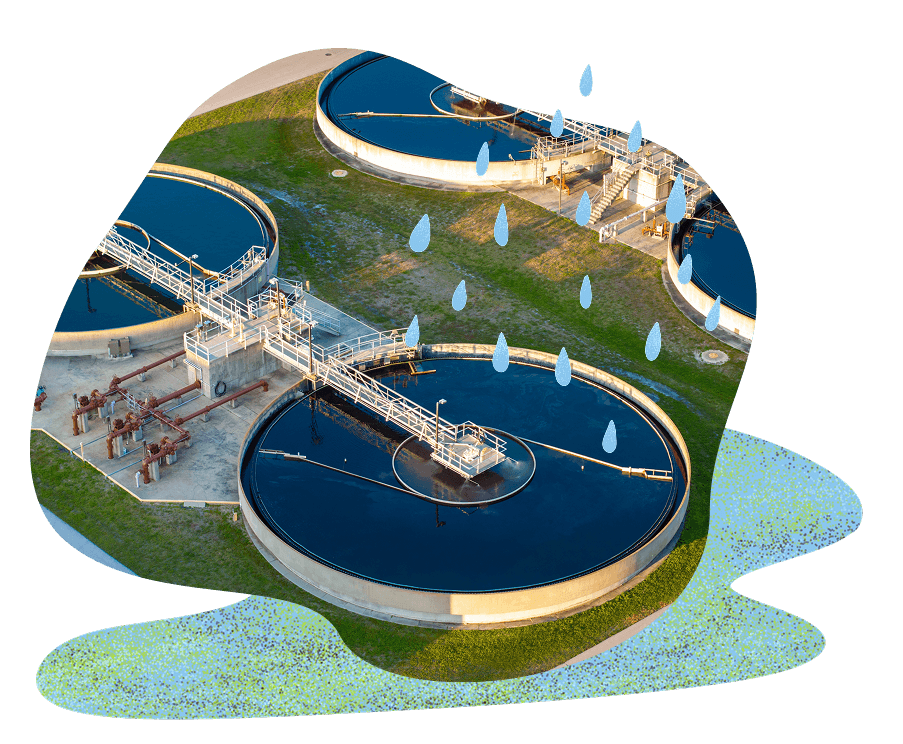
Sewage usually goes through both a mechanical (primary) and biological (secondary) treatment to ensure it is safe before being released into the environment.
But when plants are overwhelmed by waste, they skip secondary treatment (and sometimes primary!) to protect the plant’s systems.
This under-treated sewage can carry pathogens, nutrients and other contaminants from industrial waste that pose a risk to human health and the environment.
Bypass events usually occur due to high rainfall events and power/equipment failures. These events are not random — they are a predictable consequence of ageing, under-resourced sewage infrastructure.
As climate change drives more frequent and intense rainfall across Tasmania, bypass events will only become more common.
The Tasmanian Government must protect the health of all Tasmanians by supporting the roll-out of real-time monitoring about when and where these pollution events occur.
Read on to see which pollutants are being released.
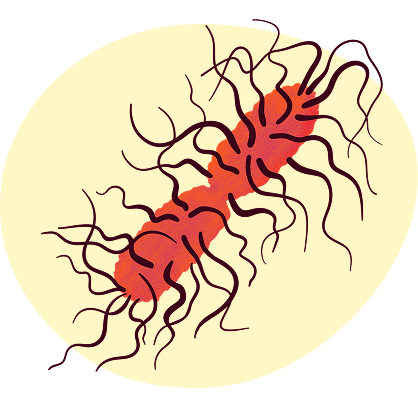
E. coli (Escherichia coli) is a bacteria found in the faeces of humans and other warm-blooded animals, and its presence in waterways is a direct indicator of fecal contamination.
Some strains cause serious illness, and exposure through swimming, fishing or eating contaminated shellfish poses genuine risks to public health.
Beyond human health, fecal contamination disrupts the delicate balance of freshwater ecosystems, harming the invertebrates, fish and plant life that make Tasmania’s waterways so special.

Phosphorus is one of the most damaging pollutants that can enter a freshwater system, as it is the limiting factor for plant growth.
Even small quantities above natural levels can trigger toxic algal blooms — including blue-green algae (cyanobacteria) — that are harmful to people, pets, livestock and wildlife, and can render waterways unsafe for drinking, swimming and recreation for weeks or months at a time.
EPN limits for phosphorus exist because the science tells us this is required to keep our waterways healthy and safe — yet TasWater’s published data shows that many sites are releasing more than the maximum limits.
Excess nitrogen can itself be toxic to human and animal health. When partnered with phosphorus, it can trigger eutrophication — the explosive growth of algae and aquatic weeds that chokes waterways, blocks sunlight from reaching underwater plants, and depletes oxygen as it decomposes, suffocating fish and other aquatic life.
The damage can take years to reverse, and the EPN limits set for nitrogen discharge exist precisely because the science about the harm it causes is conclusive.
And yet, TasWater’s published data shows these limits are being breached across the state’s STP network.
These are only three pollutants regulated by the EPA – to see the full list of pollutants entering out water ways read TasWater’s Annual Environmental Review reports here.